📅 Published on: September 16, 2025
Nizam Ansari
The idea of a single, unified “Islamic Army” or “Islamic NATO” has long been a topic of discussion among Muslim nations. Proponents argue that such a force would create a powerful deterrent, defend the interests of the Muslim world, and project a new level of military and political strength. The concept is fueled by a desire for greater solidarity and a unified front against perceived external threats.
Reality Check: The Hurdles to Formation
Despite the appeal of this idea, the creation of a genuine, unified Islamic military force faces immense and likely insurmountable challenges. Analysts point to several key obstacles:
* Political Divisions: The Muslim world is not a monolith. Deep-seated rivalries, especially between major regional powers like Iran and Saudi Arabia, make military cooperation almost impossible. Sunni-Shia tensions, different national interests, and conflicting political agendas would prevent a cohesive command structure.
* Economic Disparities: The vast wealth gap between nations like Saudi Arabia and Qatar and poorer countries would complicate funding and resource allocation. Who would bear the financial burden, and how would military aid be distributed?
* Leadership and Sovereignty: No single country is willing to cede military control and national sovereignty to a supranational entity. The question of who would lead such a force and make key strategic decisions remains a major point of contention.
* Diverse Alliances: Many Muslim nations have strong military and political ties with Western countries, including the United States. Others, like Iran, are staunchly anti-Western. These differing alliances would create a deeply fractured military coalition.
Against Israel: A Losing Battle?
When considering the prospects of a unified Islamic force succeeding against Israel, military analysts are overwhelmingly skeptical. Israel’s military dominance is not just a matter of numbers; it’s a combination of strategic and technological superiority.
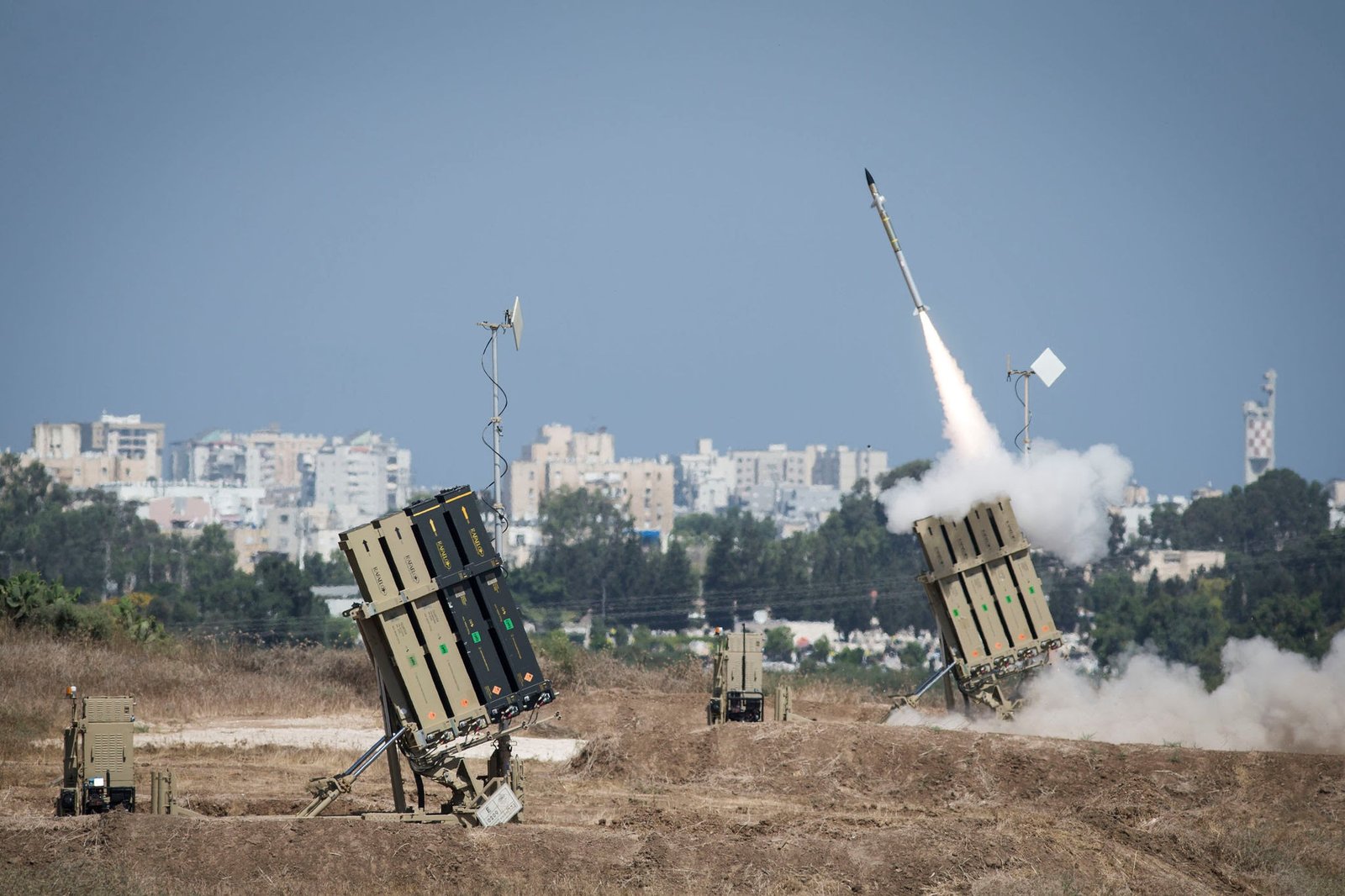
* Technological Edge: The Israeli Defense Forces (IDF) possess advanced military technology, including the Iron Dome missile defense system, a sophisticated air force, and superior intelligence capabilities. This technological gap would be a significant disadvantage for any uncoordinated force.
* Unified Command: The IDF operates under a single, highly efficient command. In contrast, a coalition of Muslim armies would likely struggle with coordination, communication, and a lack of a unified strategy. A fragmented attack would be easily defeated by a cohesive and well-trained military.
* Strong Alliances: Israel benefits from strong political and military support from countries like the United States, which provides advanced weaponry and intelligence. This backing gives Israel a crucial strategic advantage.
In conclusion, while the idea of a unified Islamic army is a powerful symbol of solidarity, the political, economic, and strategic realities of the Muslim world make it a distant dream. Any such force, if it were to ever materialize, would likely face an uphill battle against a technologically superior and strategically unified opponent like Israel.